Starting Kindy is an exciting new milestone in every child’s educational journey, filled with relationships, discovery, creativity and possibilities. But how do you know whether they’re ready for this next step? While every child has their own unique interests, strengths, and ways of exploring the world around them, it can be valuable to reflect on their readiness and consider how you can support this journey.
Our Kindy Readiness Checker is a simple, no-pressure way to pause and notice the capabilities your child is developing across three key areas. Remember, there are no right or wrong answers, as no two children follow the same path. Every child develops at their own pace, and Kindy is the perfect place to continue nurturing these skills before starting Prep. Readiness grows through relationships, play, exploration and everyday experiences.
How the Checker Works
- Select the answer that sounds most like your child today. For each statement, choose one option.
- Get a warm readiness picture. You will see a gentle summary for each area, along with an overall view of your child’s emerging strengths and capabilities.
- Take away simple ideas to try at home. We’ll provide you with a few easy activities to try at home, while highlighting the ways our Kindy program also supports these emerging skills.
Please keep in mind that this checker should be used as a guide only, not a formal assessment. If you have any concerns about your child’s development, we encourage you to speak with your GP, a child health nurse, or one of our educators.
Learn more about how our Free Kindy program supports a confident transition to Prep.
Kindy Readiness Checker
We’ve organised our checker into three areas to align with some key developmental skills that will support your child succeed in their transition to kindergarten and later into school. As you answer each question, think carefully about the way your child expresses themselves in their own unique way.
Social and Emotional Skills
Children learn through relationships. As they connect with others, they develop a sense of belonging, confidence and an understanding of themselves as part of a community. The following statements describe some of the ways children start to feel confident and connected as part of a community.
| Yes – we notice this often | Sometimes – we see this in moments | Not yet – still emerging | |
| My child is happy to wave goodbye and join the fun for a little while. | |||
| My child enjoys playing with other children. | |||
| My child can take turns and share with a little support. | |||
| My child uses words to ask for help. | |||
| My child is starting to manage big feelings with support. | |||
| My child can follow simple group instruction. |
What the results mean
Mostly yes: Your child is a confident social explorer.
Your child is showing many of the social and emotional skills that support children settle into Kindy and enjoy learning alongside others.
A mix of responses: Your child is steadily growing social confidence.
Your child is developing important social and emotional skills. Kindy offers rich opportunities to continue building friendships, communicating ideas, and navigating feelings, with the support of trusted teachers.
Mostly not yet: Your child is still growing their confidence with others.
Goodbyes, group routines, and big feelings are still a work in progress for your child, and that is okay. Kindy supports children build confidence, make connections, and feel secure in a new environment.
How to practice and explore social and emotional skills at home
Practice short goodbyes
Start with a trusted adult and a short separation. Keep the goodbye positive and predictable.
At Kindy: We use a consistent rhythm of the day and familiar educators to support children settle confidently.
Play simple games that involve sharing, waiting and taking turns
Try a ball game, board game, or take turns choosing a song.
At Kindy: Children practice pro-social skills including turn-taking and cooperation during group play and shared projects every day.
Name and explore feelings together
Talk together about emotions. Use phrases like, “You look frustrated” or “You seem excited,” and share ideas for what might support when feelings become too big.
At Kindy: Educators support children recognise emotions, use words to ask for help, and introduce calming strategies in a safe and supportive environment.
Self-care and Independence Skills
Children develop a growing sense of agency as they participate in everyday experiences. These questions explore your child’s developing independence with self-care, belongings, daily routines and having a go at new experiences.
| Yes – we notice this often | Sometimes – we see this in moments | Not yet – still emerging | |
| My child is toilet trained or close to it. | |||
| My child can wash their hands. | |||
| My child can eat and drink independently. | |||
| My child can manage shoes, a hat, or a jacket with some help. | |||
| My child looks after their own bag and belongings. | |||
| My child has a go before asking for help. | |||
| My child enjoys running, jumping, climbing and active play. |
What the results mean
Mostly yes: Your child is capable and increasingly independent.
Your child is showing many of the everyday independence skills that support children feel capable and confident in Kindy experiences.
A mix of responses: Your child is building independence skills.
Your child is building confidence with everyday tasks. Kindy gives children regular opportunities to further practice these skills with encouragement in a supportive environment.
Mostly not yet: Your child is still developing everyday independence.
Independence develops with time. Kindy provides a supportive environment where children can participate in routines, make choices and develop confidence at their own pace.
How to practice self-care and independence skills at home
Create a simple morning routine
Let your child practice putting on shoes, packing a hat, and carrying their own bag.
At Kindy: We encourage children to manage their belongings and follow a familiar rhythm of the day, to build predictability and agency.
Offer meaningful choices
Give your child opportunities to make simple decisions throughout the day. For example, “Would you like the red cup or the blue cup?”
At Kindy: Children are encouraged to make age-appropriate choices and as they participate in the rhythm of the day. Kindy learning environments are intentionally designed for supporting agency and making choices.
Encourage “have a go” moments
Before stepping in to support, pause to give your child time to explore what they can do by themselves.
At Kindy: Teachers gently support children as they attempt tasks independently, with children knowing support is available when needed.
Early Literacy and Communication Skills
Children communicate in many ways. Through talking, listening, storytelling, drawing, mark-making, music and play, they explore ideas and share their understanding of the world.
These questions explore some of the early communication and literacy experiences that will support children as they begin their Kindy journey.
| Yes – we notice this often | Sometimes – we see this in moments | Not yet – still emerging | |
| My child speaks in short sentences and is understood most of the time. | |||
| My child enjoys books and being read to. | |||
| My child recognises their own name in print. | |||
| My child holds a crayon and enjoys drawing. | |||
| My child joins in songs and rhymes. | |||
| My child can listen to a short story to the end. | |||
| My child enjoys sharing their ideas and thinking. |
What the results mean
Mostly yes: Your child is an engaged communicator and early learner.
Your child is showing many of the early language and literacy skills that support a confident transition to Kindy.
A mix of responses: Your child is building early literacy confidence.
Your child is developing important language and literacy foundations. Kindy strengthens these skills through storytelling, music, mark-making, and rich conversations.
Mostly not yet: Your child is still discovering their communication and early literacy skills.
Early literacy starts with talking, listening, books, songs, and drawing. At Kindy, your child will have the opportunity to build these foundations through play, storytelling, and everyday conversations.
How to practice early literacy and communication skills at home
Read and wonder together every day
Share favourite books and talk about what you notice, imagine and wonder in the pictures and story.
At Kindy: Shared reading and storytelling are part of our daily curriculum, developing an early love of literacy.
Sing songs and rhymes
Engage in singing favourite songs and rhymes together. Repetition supports children notice sounds and patterns in language through joyful interactions.
At Kindy: Children join in songs, rhymes, and group experiences throughout the day to foster foundational literacy skills.
Encourage drawing and mark-making
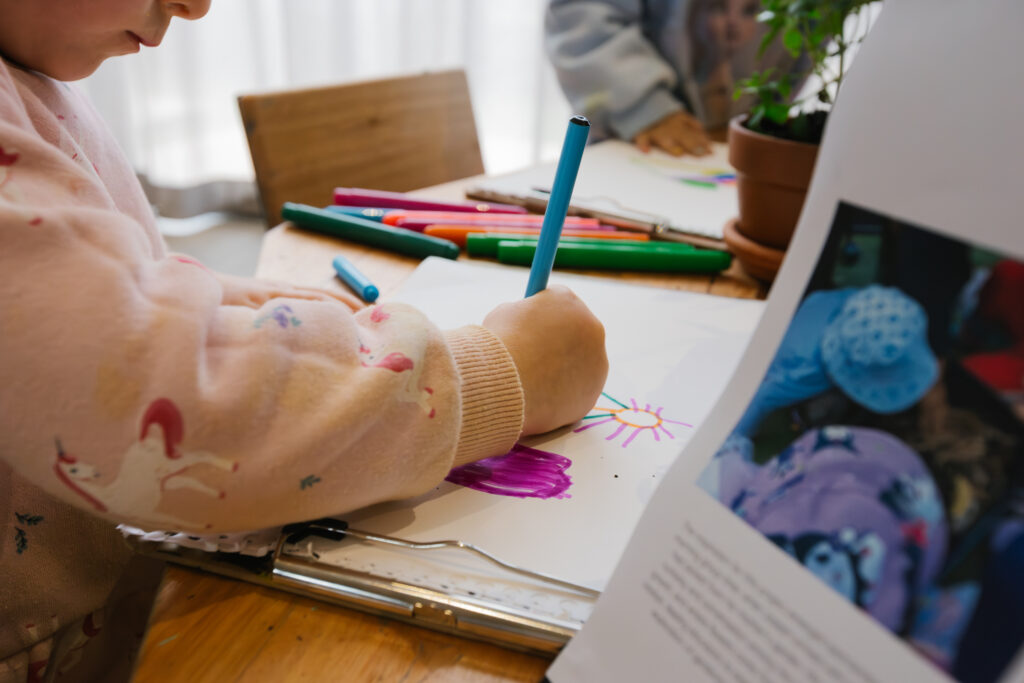
Provide pencils, different sizes paper, and opportunities to draw freely.
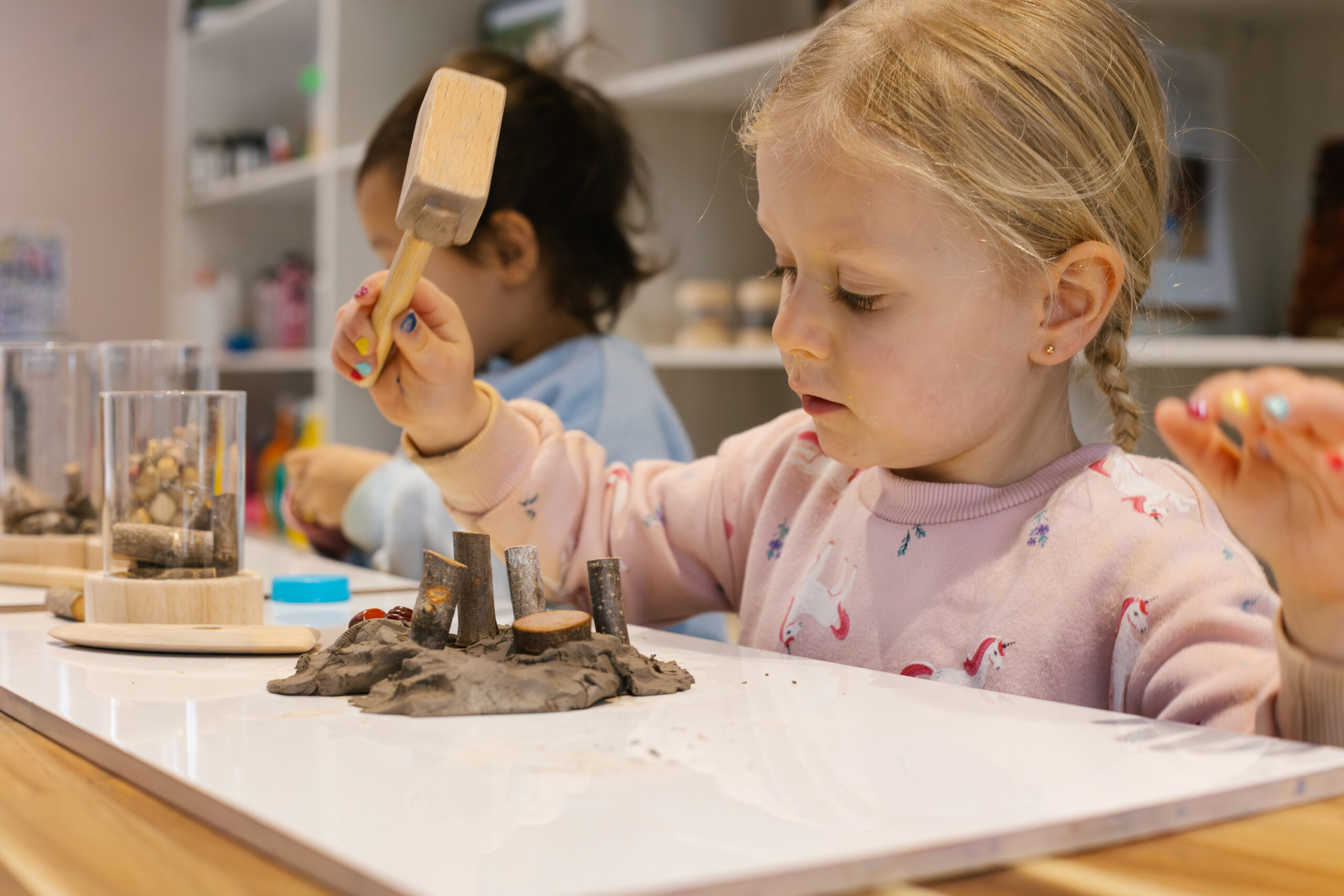
At Kindy: We offer open-ended creative experiences that support fine motor skills and early literacy development to make learning visible. We also value play, movement and physicality as essential foundations for learning, recognising that developing core strength, coordination and body awareness supports children’s confidence, engagement and readiness to participate in a wide range of learning experiences.
Overall Kindy Readiness Picture
Your child is on their own unique learning journey. Every child arrives at Kindy with their own strengths, interests, experiences and ways of learning. This checker is simply a snapshot of the capabilities they are developing today, across some of key developmental areas. It is an opportunity to notice where they are growing and consider how Kindy can support their next steps.
Mostly yes: Your child is ready to bloom at Kindy
Your responses suggest that your child is showing confidence in many of the skills that will support a positive and joyful Kindy experience. They’re already demonstrating strengths across key developmental areas, from communicating and connecting with others to growing independence, physical confidence and participating in everyday rhythms and routines.
There is always more to discover, explore and learn. A thoughtfully designed Kindy program builds on what children already know and can do, creating opportunities to develop deeper relationships, express ideas, strengthen communication, grow independence and follow their interests through play, exploration, creativity and shared experiences.
A mix of responses: Your child is building confidence for a great start
Your responses indicate a mix of emerging and developing skills across several key areas, which is exactly what we expect to see at this age. Children are constantly growing and changing as they learn to navigate friendships, express their ideas, make sense of their emotions, develop independence and become increasingly confident in the world around them.
These are the very capabilities that Kindy provides opportunities to nurture. Through play-based learning, meaningful relationships, conversations, creative exploration, projects and the familiar rhythms of each day, children are supported to revisit ideas, practice new skills and build confidence at their own pace.
Mostly not yet: Your child is just beginning to bloom
It sounds like your child is still developing many of the capabilities explored in our Kindy readiness checker, and that is completely okay. Every child has their own unique pace, strengths and pathway of development, and many of these capabilities continue to emerge and evolve throughout the Kindy year.
In fact, this is often one of the main reasons that children attend Kindy programs. Learning to feel a sense of belonging, build relationships, communicate ideas and needs, navigate emotions, develop independence and become increasingly confident are all important parts of the Kindy journey.
Wherever your child is on their learning journey, our qualified early childhood teachers work in partnership with children and families to recognise strengths, nurture emerging capabilities and create meaningful opportunities for growth. As your child approaches Prep, their learning and development is captured in a Transition Statement, sharing their unique strengths, interests and development with their new school to support continuity into the next stage of their educational learning journey.
Supporting Children with Thoughtfully Designed Kindy Programs at KIDS ELC
Ready to see a trusted, innovative Kindy program in action? At KIDS ELC, our Queensland Government-approved Free Kindy program is led by passionate early childhood teachers. Our play and inquiry-based curriculum fosters curiosity, confidence, creativity and a strong sense of belonging, while supporting children to develop the physical capabilities, social skills, communication and independence they need to confidently navigate their transition to Prep.
Through meaningful relationships, play and opportunities to explore, collaborate, problem-solve and express their ideas, children are supported to become confident and capable learners. Our Kindy program is guided by the Queensland Kindergarten Learning Guideline (QKLG), which complements the Early Years Learning Framework (EYLF) and supports children’s holistic learning and development across five key areas: Identity, Connectedness, Wellbeing, Active Learning and Communicating.
To see our Free Kindy program for yourself, book a tour of your local KIDS ELC, meet our friendly teachers, and discover how we create rich, meaningful learning experiences that support every child to flourish in their own way, as they grow toward Prep.