Research suggests that high-quality early childhood education can support children’s language, cognitive, social, and emotional development while helping them prepare for school. However, these benefits are shaped by the quality of the program, the learning environment, and the relationships children form with their educators, not simply by attending an early learning centre.
Let’s explore what researchers measure, how play-based learning supports development, and how Australia’s quality frameworks help guide children’s early learning experiences.
What does early childhood education research actually measure?
When exploring the impact of early learning, researchers look beyond academic achievement. They consider several areas of children’s development, including:
- Language and cognitive development.
- Social competence and emotional maturity.
- Communication and general knowledge.
- Physical health and wellbeing.
- Readiness for the routines and relationships involved in starting school.
The Australian Early Development Census examines five similar developmental domains to build a population-level picture of how Australian children are progressing. However, every child is unique, so an association between early education and later outcomes doesn’t mean every child will develop in exactly the same way.
Does early childhood education support language and cognitive development?
Quality early learning can support language, early literacy, problem-solving, attention, and other foundational cognitive skills that children can draw on throughout school and beyond.
These skills don’t need to be taught through formal classroom lessons. Young children often learn naturally through everyday conversations and playful experiences, such as:
- Talking with responsive educators.
- Sharing books, songs, and stories.
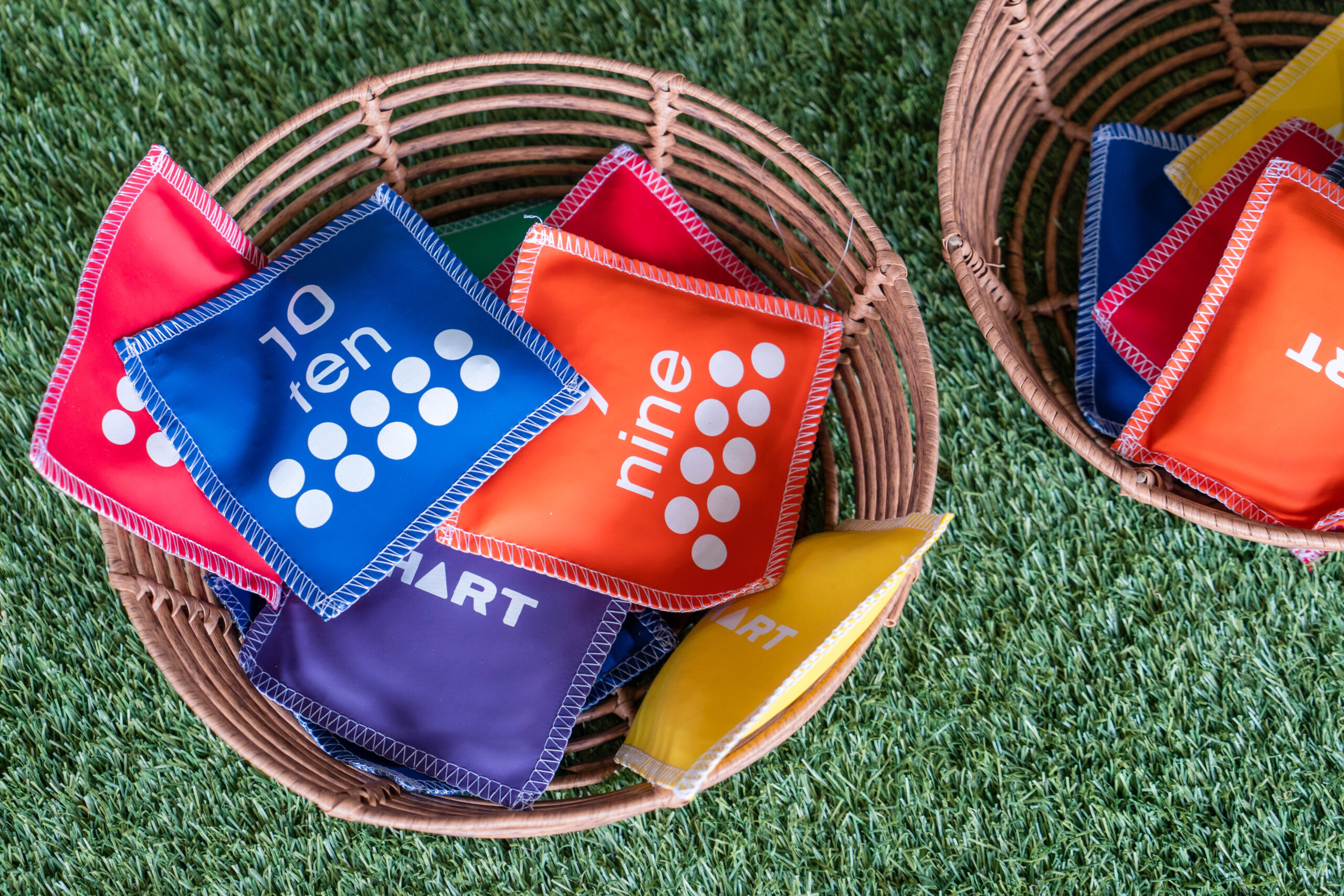
- Counting, sorting, and exploring patterns.
- Answering open-ended questions and solving problems through play.
- Discovering new words, ideas, and experiences.
Children aren’t expected to read or write before starting school. Instead, these experiences help them build early literacy, numeracy, and thinking skills at their own pace. Consistent, warm educator–child interactions and purposeful learning opportunities are especially important in helping these skills blossom.
How does early learning support social and emotional development?
Early learning environments give children regular opportunities to form relationships, express emotions, collaborate, and participate in a group. Positive interactions with educators and other children can support them to practice:
- Sharing and taking turns.
- Communicating their needs and ideas.
- Recognising and managing emotions.
- Navigating disagreements.
- Building confidence and independence.
- Forming friendships and developing a sense of belonging.
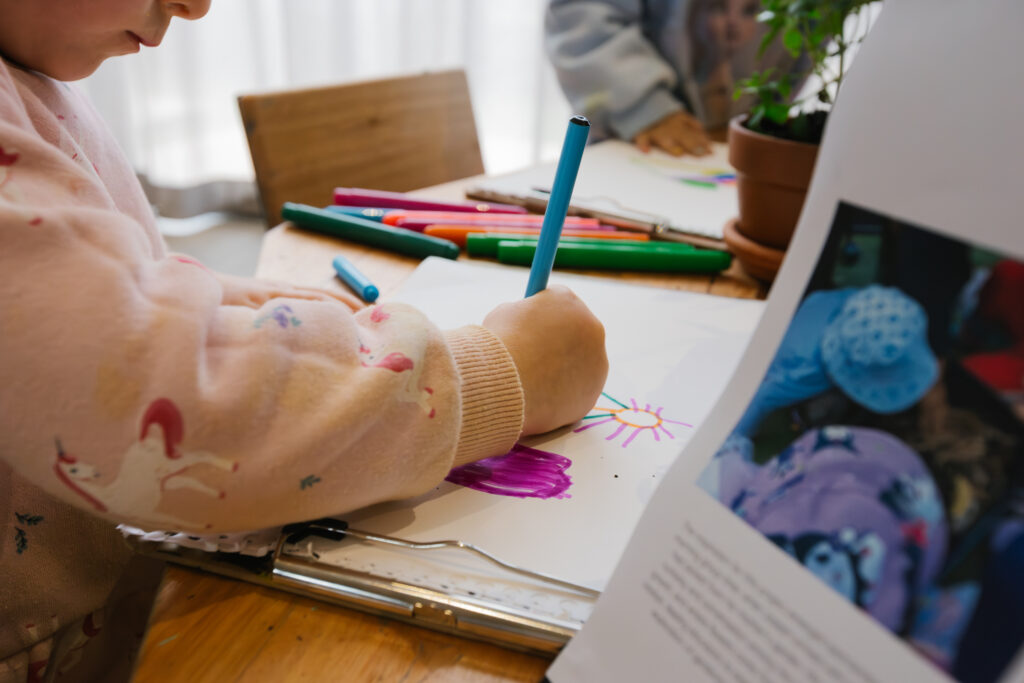
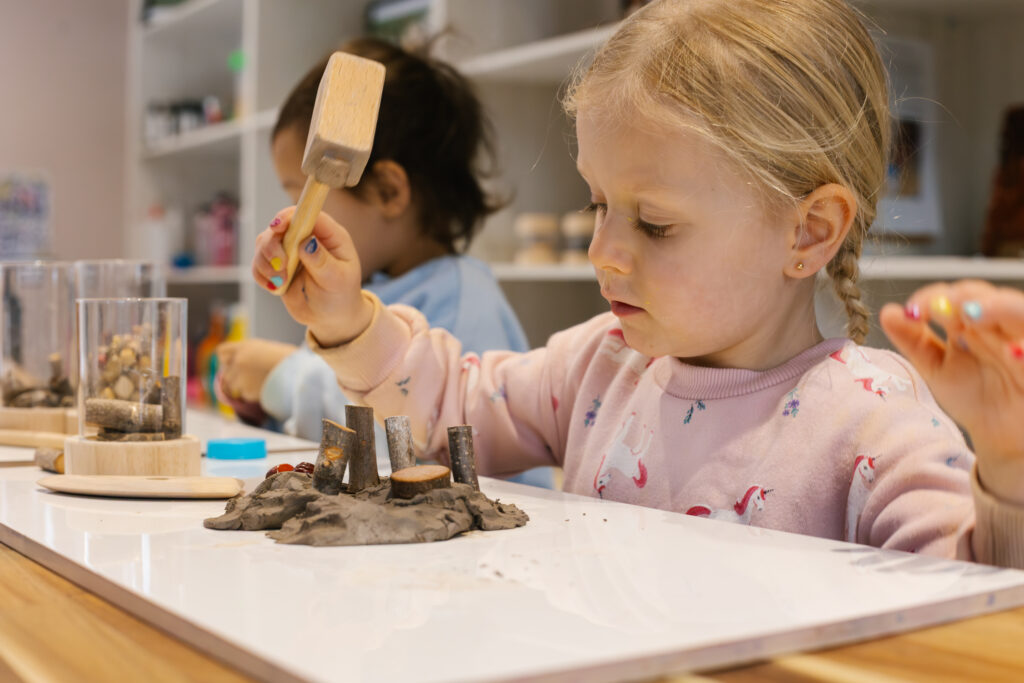
Play-based learning is an important part of this process. Through play, children can explore different roles, experiment with language, solve problems, and learn to persist when something doesn’t go to plan.
Educators can thoughtfully extend this learning by observing children’s interests and introducing questions, resources and experiences that encourage further discovery. Play-based learning and intentionality are both central to the Belonging, Being & Becoming: The Early Years Learning Framework for Australia V2.0 (EYLF) and are reflected across the National Quality Standard (NQS).
How are Australian early learning services held to these standards?
Australian early childhood education and care services must operate within the National Quality Framework (NQF). This framework brings together legislation, the NQS, approved learning frameworks and ongoing assessment and rating processes.
The EYLF V2.0 is the nationally approved learning framework for children from birth to five. It sets out the principles, practices and learning outcomes educators use to plan, deliver, and evaluate high-quality early childhood programs.
Under the NQF, services must provide educational programs that consider each child’s developmental needs, interests, experiences, and individual differences. They are also assessed and rated against the seven quality areas of the NQS.
At KIDS ELC, our innovative play and interest-based curriculum is thoughtfully designed in line with the EYLF and the Queensland Kindergarten Learning Guideline (QKLG), creating meaningful opportunities for children to explore, connect, and learn.
What does the research mean for your family’s decision?
Evidence supports high-quality early childhood education as a valuable opportunity for learning and development. However, this doesn’t mean childcare is compulsory or the right choice for every family. Your child’s personality and needs, your family’s circumstances, and your previous experiences will all help shape your decision.
If early learning feels right for your family, research suggests that quality is an important consideration. Look for responsive relationships, qualified educators, inclusive practices, and purposeful play. Most importantly, choose an environment where your child feels safe, supported, and free to learn in their own way.
FAQs
Is childcare good for my child’s development?
High-quality childcare can support children’s development through responsive relationships, play, communication, and interaction with their peers. Outcomes vary by child and depend on the quality and suitability of the learning environment.
Does early childhood education improve school readiness?
Early childhood education can help children build skills that support the transition to school, including communication, independence, emotional regulation, cooperation, and curiosity. School readiness is much broader than simply knowing letters and numbers.
What does the EYLF require early learning services to do?
Services must provide educational programs based on an approved learning framework and responsive to each child’s needs, interests, experiences, and individual differences. Their curriculum should support the EYLF’s five learning outcomes, including children’s identity, wellbeing, learning, communication, and connection with their world.
At what age do the benefits of early learning begin?
Learning begins from birth, and the EYLF is designed for children from birth to five years of age. There’s no universal “best age” to begin early childhood education. The right time depends on your child, your family, and the quality of the setting.