At KIDS ELC, children’s health and safety guide every decision we make. Families choose us because they want practical proof that safety is consistent, well-supervised, and transparent.
Our approach aligns with the National Quality Standard (NQS), particularly QA2: Children’s Health & Safety, ensuring your child is always safe, healthy, and well-supervised, with clear procedures in place to prevent risks and respond quickly to illness, injury, or emergencies.
KIDS ELC Safety Summary:
- Sun safety = hats, sunscreen, shade, UV checks, and hydration (QA2).
- Active supervision = eyes-on, zone coverage, head counts, and calm transitions (QA2/QA4).
- Incident response = first-aid, family notification, documentation, and review (QA2/QA7).
- Continuous improvement = trends analysed in QIP; staff training refreshed (QA7).
Our commitment to your family’s safety
Safety is a shared responsibility led by our dedicated management team. Our educators have a duty of care to actively supervise children, ensure a safe environment, and comply with applicable laws and regulations.
Our policies on supervision, sun safety, and incident, injury, and illness response set consistent expectations across our childcare centres.
Through our commitment to NQS: QA7: Governance, families can expect transparent communication, prompt follow-up after incidents, and a culture that encourages speaking up, reviewing risks and a commitment to continuous improvement.
Every day is a sun-safe day
Daily UV and weather checks
Our centres monitor UV levels and weather forecasts daily to plan safe outdoor play. When UV levels are high, outdoor time is adjusted, and protective routines prioritised, meaning more shade, shorter outdoor sessions, and extra drink reminders. (QA2)
Hats, clothing, and sunscreen
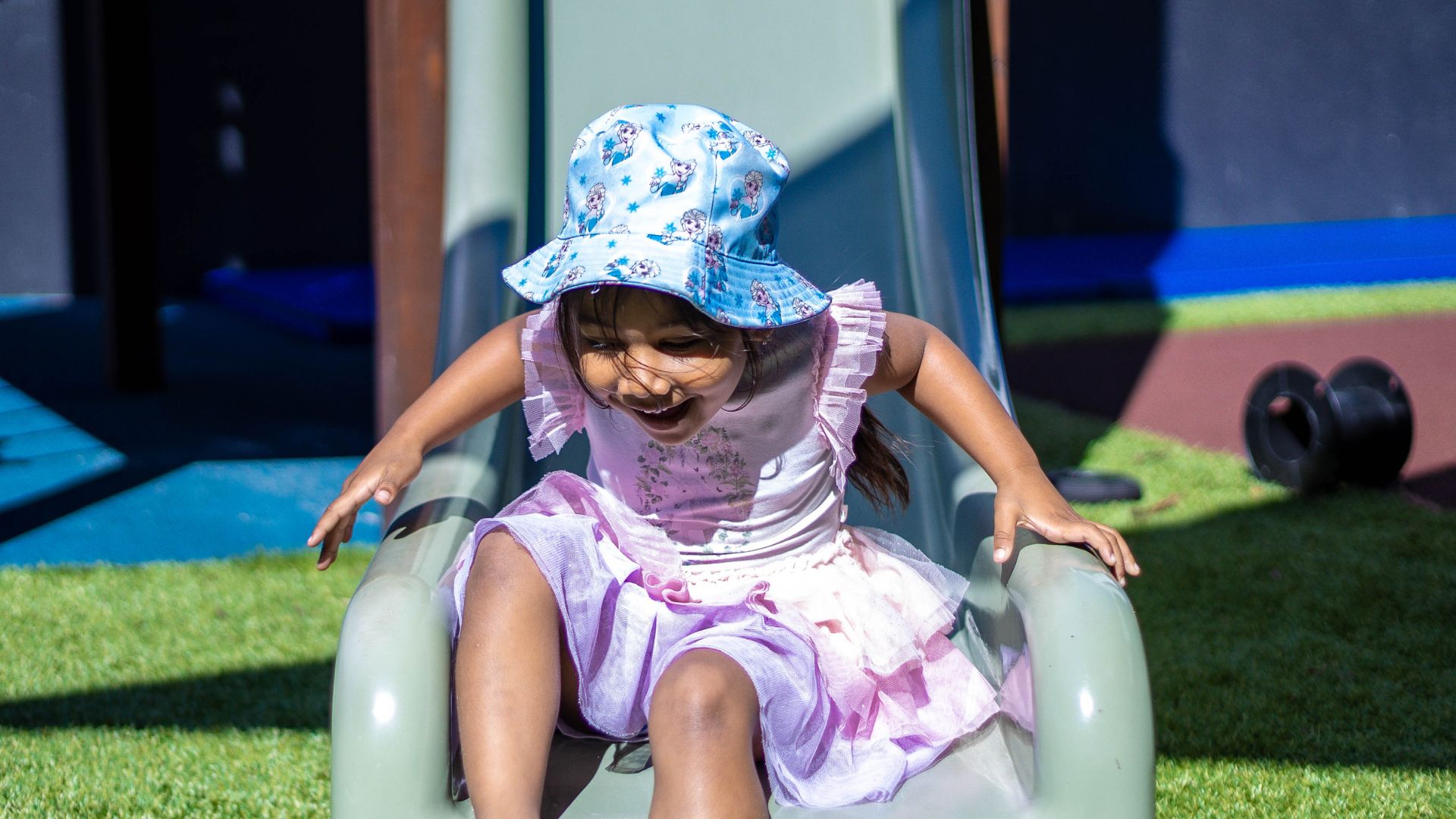
Children in our care must wear sun-safe hats and clothing when outdoors.
SPF50+ broad-spectrum sunscreen is applied 20 minutes before heading outdoors and reapplied regularly. Babies under 12months won’t be exposed to direct sun when the UV reaches 3 or above, and sunscreen is only applied to infants >6 months.
Sensitive skin and allergies are accommodated using family-approved products. Families are guided on what to provide, and centres maintain routines to ensure consistent protection. (QA2/QA6)
Shade and hydration
KIDS ELC outdoor environments are designed with a mix of fixed and portable shade, complemented by natural shade where possible.
Water is always accessible to children, with regular drink breaks built into the day to support hydration. (QA3/QA2)
Educator role-modelling and teaching
Children are more likely to develop sun-safe habits when adults around them model them. Our educators model sun-safe behaviours by wearing hats, choosing shade, and teaching children through play. This builds lifelong habits in a positive, age-appropriate way. (QA1/QA2)
What parents can pack:
- A broad-brimmed hat
- Loose-fitting, sun-protective clothing
- Family-approved sunscreen (if required)
- A refillable water bottle
Supervision that’s active, predictable, and calm
Active supervision techniques
Supervision is intentional and dynamic. Educators position themselves for clear sightlines, scan continuously, cover zones, and practise “stop-scan-count” to keep accurate awareness of every child. (QA2/QA4)
Transitions and high-risk moments
Supervision during key transition times, such as room transitions, bathroom breaks, meals, and outdoor play are carefully managed by our staff. Headcounts are routine, and transitions are kept calm and predictable to reduce risk. (QA2)
Sleep and rest safety
Safe sleep practices are followed, with regular checks and clear documentation. Sleep environments are designed to enable easy monitoring and prompt staff response when needed. (QA2)
Excursions and outdoor learning
Before excursions, educators complete a risk assessment to ensure adequate planning and supervision are in place. Families will also receive clear information in advance.
For effective supervision and a quick response, our team always carry communication tools and emergency kits during these experiences. (QA2/QA7)
Training and induction
All KIDS ELC educators maintain current first-aid and CPR training, with additional learning for allergies and anaphylaxis. (QA4/QA7)
Incident response: From first aid to follow-up
Immediate care
If an incident occurs, our trained educators will provide prompt first aid, remove any hazards, and comfort the child. Caring for and calming the child is of top priority. (QA2)
Notifying families
Families are contacted in a timely manner, as outlined in our childcare incident response procedure. Minor incidents may be shared with family at pick-up, while more serious injuries or illnesses will prompt immediate phone contact. (QA6/QA7)
Record and report
Incidents are documented accurately in writing, and regulatory authorities are notified if a serious incident occurs. Our professional staff handles all records with respect, ensuring your family’s privacy is protected. (QA2/QA7)
Debrief and prevent
Following an incident or near miss, our teams will debrief to plan environmental adjustments, update risk assessments, and reflect these improvements in our Quality Improvement Plan (QIP). (QA7/QA3)
Medication and care plans
Where required, individual medication plans can be developed with families. Our team ensure medicines are stored safely, administered by trained staff, and double-signed for accuracy. (QA2/QA7)
The environment as a safety tool
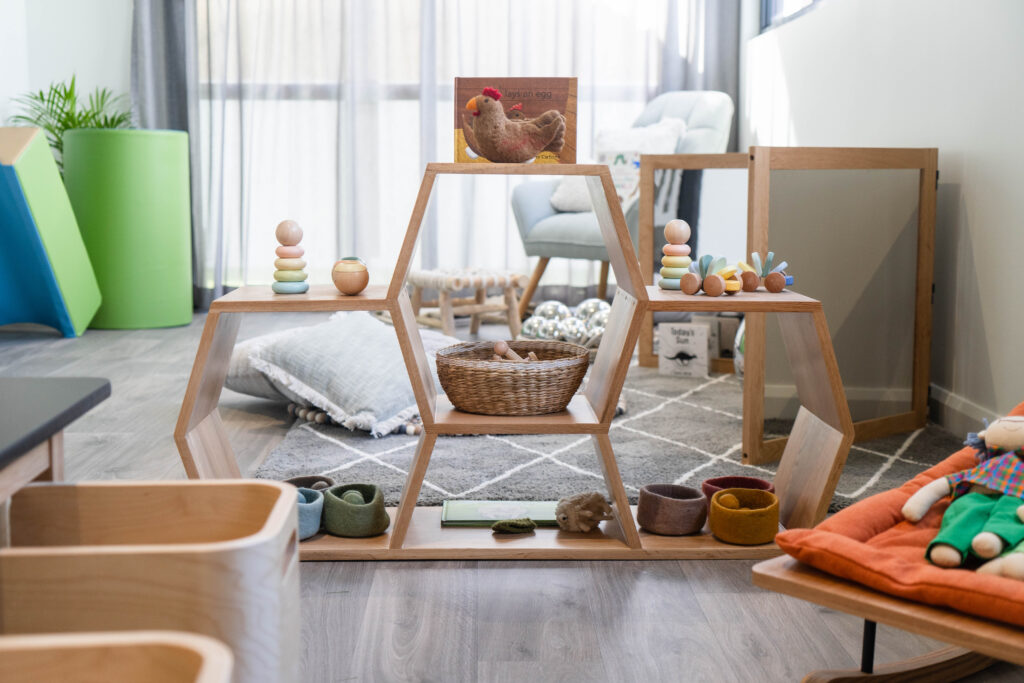
At KIDS ELC, indoor and outdoor spaces are intentionally planned to support supervision, reduce hazards and promote healthy choices throughout the day. When environments are predictable, uncluttered, and easy to monitor, children can explore confidently while educators maintain clear oversight. (QA3/QA2)
Family partnerships are critical
Children are safest when families and educators work together. We value families as experts on their child. These simple steps create consistent, responsive safety practices. (QA6)
- Sharing the right information early helps plan effectively.
- Daily communication keeps families informed.
- Transparency matters, building trust and reassurance.
Our team: Skills, ratios, and readiness
Children’s safety depends on more than meeting minimum requirements. Our approach to staffing focuses on readiness, not just ratios. This is achieved through the right training, clear role definitions and knowing when and how to seek support.
This people-centred approach reflects our commitment to high-quality staffing and strong governance under the National Quality Standard. (QA4/QA7)We invite you to book a tour and speak with our leadership team to discuss your child’s needs.