Children thrive when they’re given the freedom to make sense of the world in their own way. Under the Reggio Emilia approach to early learning, children are seen as capable, curious, and full of ideas, not just as little people waiting to be taught. They’re early learners who are eager to explore with the right guidance.
If you’ve heard of this approach and are wondering if Reggio Emilia versus Montessori is right for your family, this guide is for you. Having been inspired by the Reggio Emilia approach in our own early childhood education philosophy, we share exactly what it is, how it works, and where it differs from Montessori-style learning.
What is the Reggio Emilia approach?
The Reggio Emilia approach is a child-led philosophy where children learn through creativity, relationships, curiosity, and play-based learning. Founded by Loris Malaguzzi in Reggio Emilia, Italy, in the mid-1940s, this philosophy views children as capable learners with real ideas worth listening to. Since its beginnings, the Reggio Emilia philosophy has inspired early learning curricula around the world, encouraging educators to expand on children’s interests through discovery-based learning.
Key elements of Reggio Emilia
Under a Reggio Emilia style of learning, kids’ days aren’t just filled with activities. Rather, they’re in an environment where they can wonder, belong and build confidence at their own pace.
Let’s take a closer look at the key principles of Reggio Emilia and how they guide us at KIDS ELC.
Children as capable learners
At the heart of Reggio Emilia is respect for every child. Children are seen as capable learners with their own ideas, questions, and ways of figuring out the world around them.
As educators, we may notice a child filling and emptying containers, building the same tower, or asking why puddles disappear. These moments aren’t just brushed aside. They’re observed, supported, and gently shaped into learning opportunities through questions, materials, stories, or group discussions.
The environment as the “third teacher”
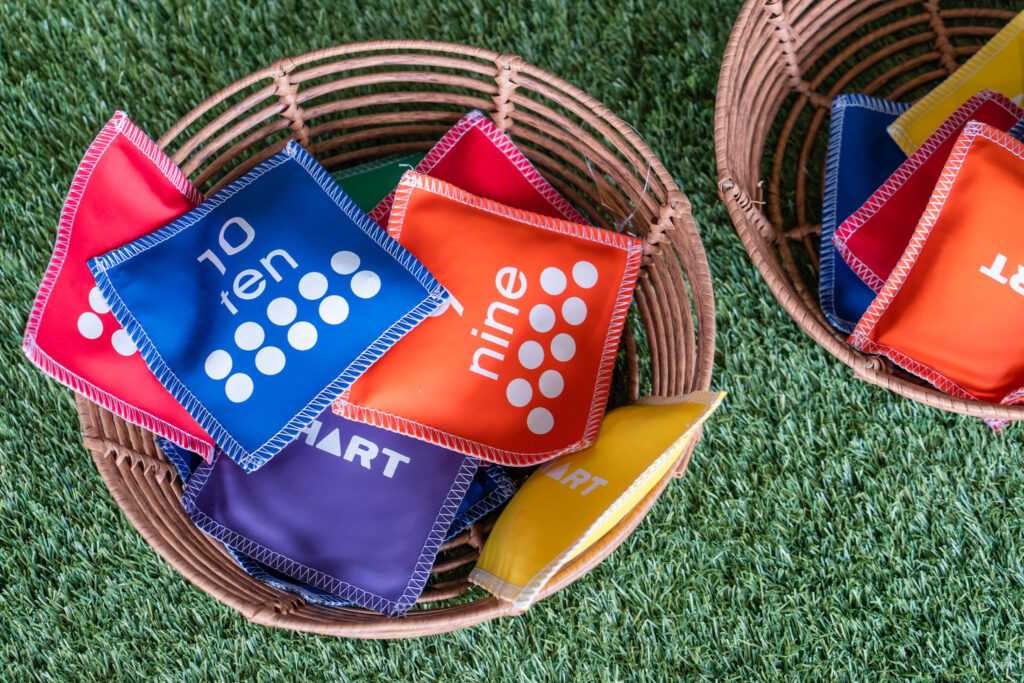
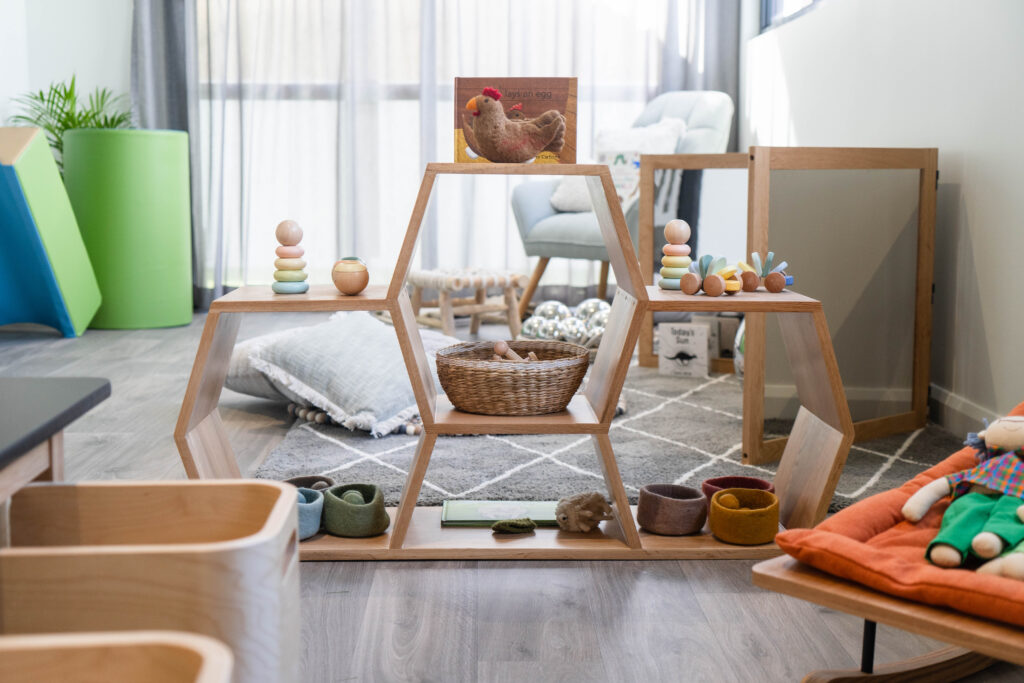
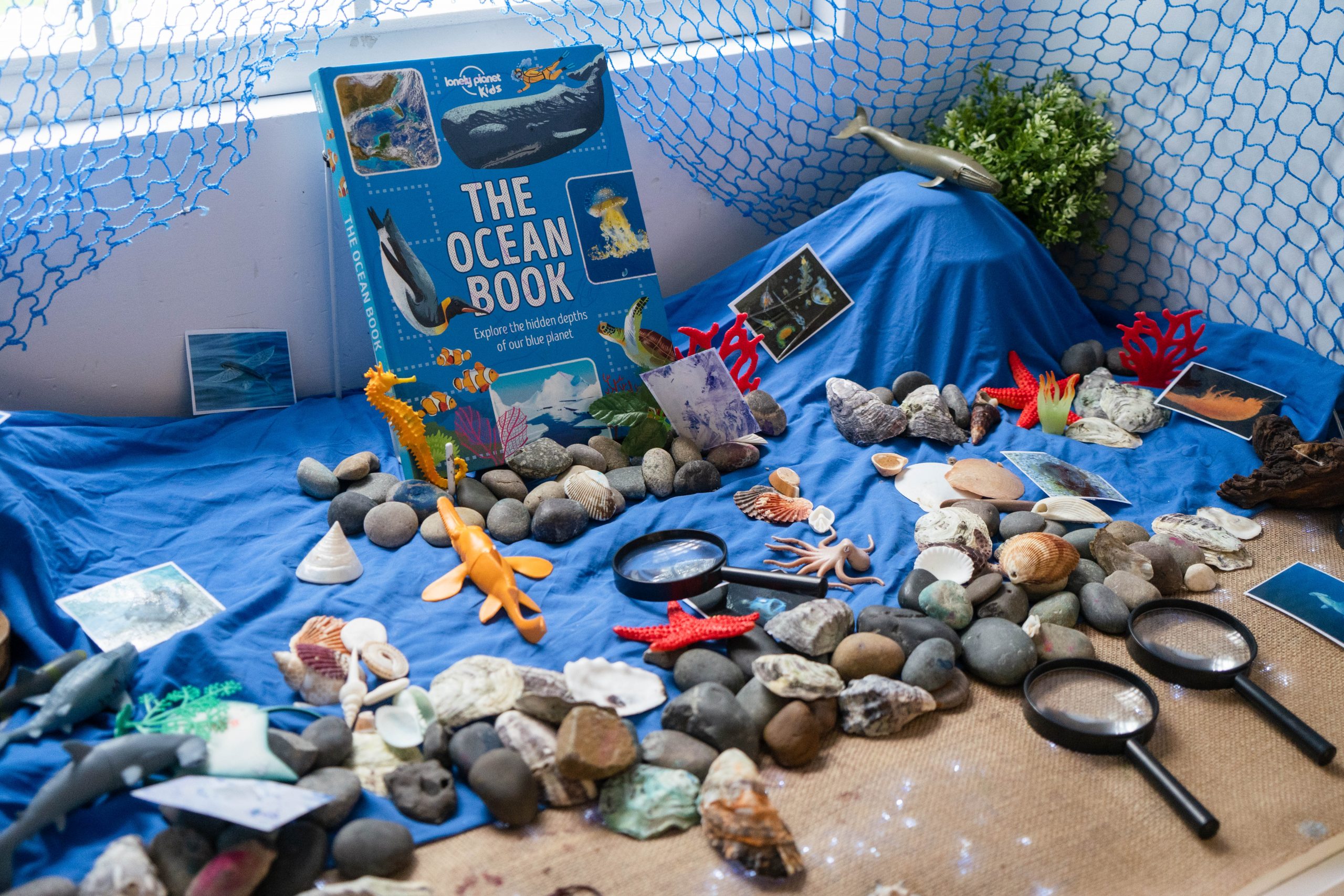
In Reggio Emilio, the environment a child is in is believed to play a key role in their learning. Its influence is so significant that it’s often referred to as the “third teacher”. Anything around a child, including natural materials, loose parts, books, fabric, blocks, mirrors, and even water play, is used to help encourage children to explore.
At KIDS ELC, our studios have been thoughtfully designed to inspire children’s learning through creating, testing ideas, quiet thinking, and endless opportunities for shared discovery.
Project-based & creative learning
Loris Malaguzzi’s concept of the “Hundred Languages of Children” recognises the infinite ways children express themselves beyond spoken words. Educators use these expressions as a foundation for learning projects that nurture creativity, exploration, and curiosity.
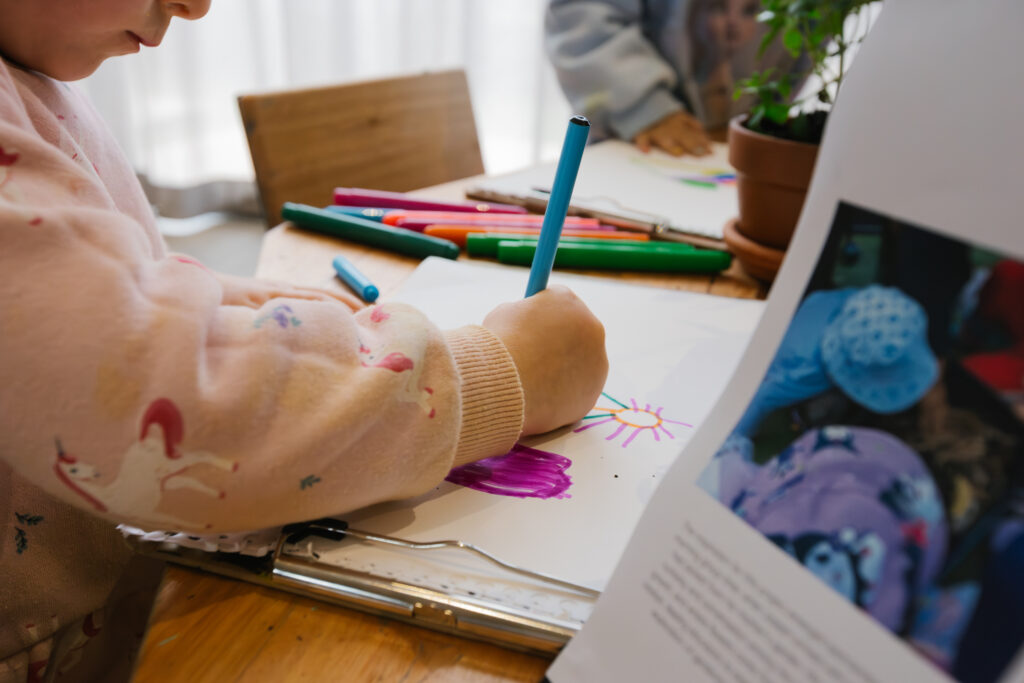
With this practice in mind, children are encouraged to express themselves in different ways. Whether they choose to draw what they feel or see, build with different materials, tell stories, paint, move, listen, wonder aloud, or work together on something shared, we inspire children to communicate in a way that feels natural to them.
Documentation & family partnerships
There’s more to documentation in a Reggio Emilia learning environment than a simple update of what your child did during the day. Instead, it provides parents with a window into the questions, friendships, discoveries, and little milestones that happen in “the studio,” giving them ways to connect and support their child while partnering with educators.
When it comes to documentation of learning, we like to include photos, children’s words, observations, and project moments to understand exactly what a child is exploring. It not only helps us connect with families but also allows us to better support our children.
Examples of the Reggio Emilia approach in early learning
Example 1: Nature exploration
Even the smallest spark of curiosity can become a meaningful learning opportunity. After rain, children may notice scattered leaves, muddy footprints, puddles, or subtle changes in the garden. Educators can use these moments to invite inquiry by asking questions like, “What do you think happened here?” and giving children time to observe, touch, compare, wonder, and express their ideas.
Nature exploration often involves sensory learning and shared discussion. Children build understanding together as they exchange discoveries, test ideas, and learn through conversation, movement, and hands-on exploration.
Example 2: Collaborative art or STEM project
The early years may seem too young for science, technology, engineering, and mathematics (STEM), yet they are often the most meaningful time to begin. In our Free Kindy and early learning programs, curiosity-led exploration is a central part of learning.
When children build with blocks, boxes, or loose parts, they are invited to test, shape, and reimagine their ideas. If a structure wobbles or falls, educators pause with them in that moment of discovery, wondering what might be adjusted or tried next. Children are naturally drawn into cycles of rebuilding, balancing, and experimenting with new materials and possibilities.
These moments often become shared experiences, where children collaborate, negotiate ideas, and explore solutions together, developing not only hands-on skills but also emotional regulation, patience, and social connection.
Reggio Emilia vs Montessori: What’s the difference?
While both Reggio Emilia and Montessori philosophies view children as capable learners, there are several fundamental differences:
| Reggio Emilia | Montessori |
| Flexible, collaborative, and project-based | Structured, independent, and routine-focused |
| Uses open-ended materials | Uses specific education tools |
The childcare philosophy you choose is a personal decision, based on your family values, your child’s temperament, and your preference in early learning centres.
Why families like the Reggio Emilia approach
Families are often drawn to the Reggio Emilia Approach because it nurtures creativity, confidence, communication, problem-solving, and a lifelong love of learning. Children are invited to ask questions, share their thinking, and engage with the world through curiosity and discovery.
Book a tour of your local KIDS ELC to see this philosophy in action, where learning is visible in everyday moments, and children’s ideas guide the journey of exploration.