The step into school is a big one, for both children and their families. It raises a lot of emotions and questions, including, “Is my child ready?” School readiness is not only about reaching academic milestones, but also about nurturing the confidence, independence, and sense of belonging children need to thrive in new environments. This is where specially designed school readiness environments like Kindy come into play.
At KIDS ELC, our approach is guided by children’s natural curiosity, creativity, and individuality, helping them build the social and emotional resilience needed to thrive. Read on to learn how a supportive early learning environment can help prepare your child for a confident and successful transition to school.
What is school readiness?
School readiness refers to how prepared a child is for an easy transition to Prep and their formal schooling. There are a number of school readiness skills that lay the foundations needed to succeed in school.
Through play-based learning and nurturing a child’s natural, unique curiosity, children learn how to follow simple routines, communicate their needs, participate in group activities, manage transitions well, and build relationships. These essential skills are key to helping children feel comfortable as they move from Kindy, into Prep, and beyond.
Key school readiness skills children develop before Prep
Social skills
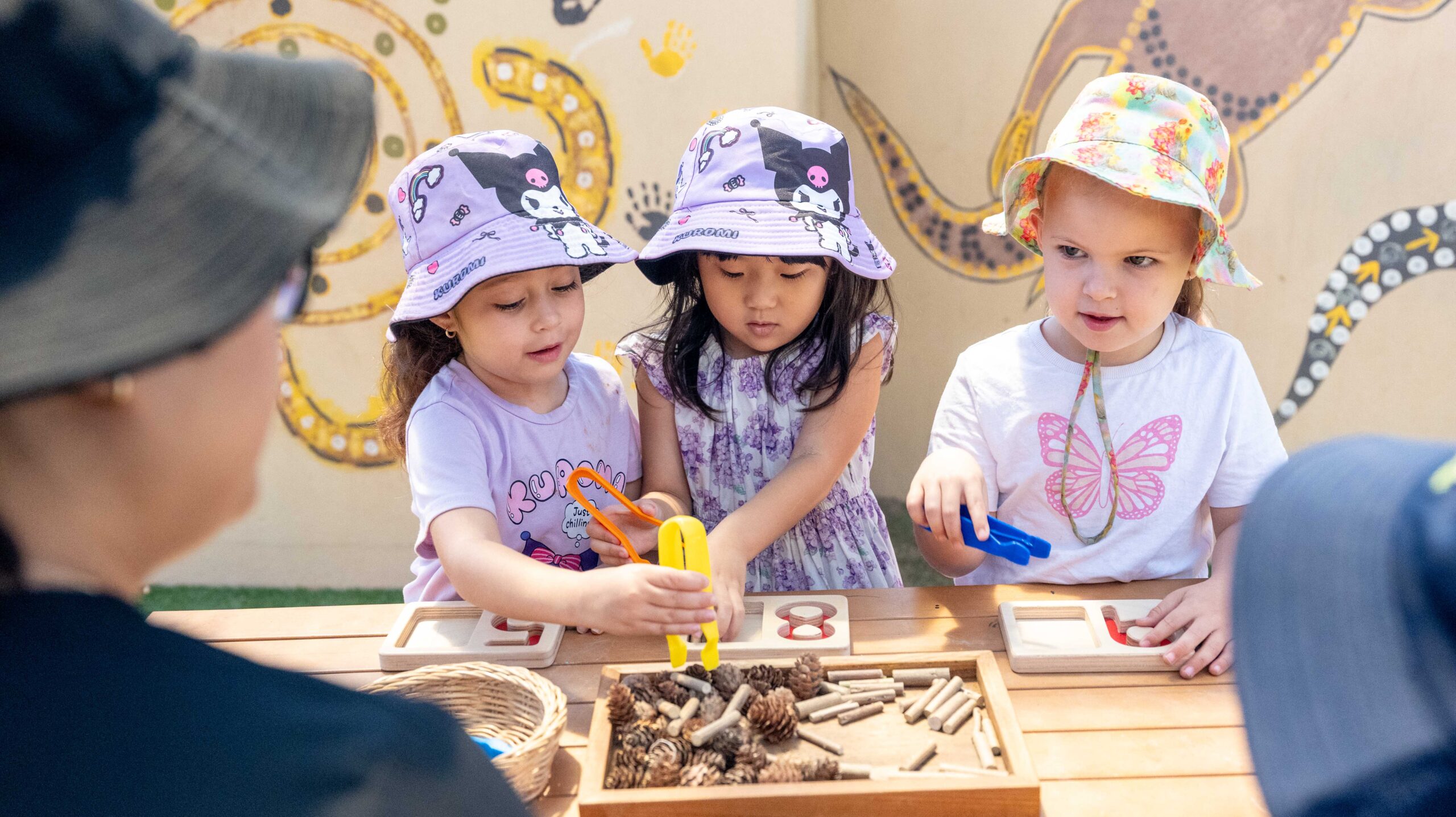
Everyone wants to feel like they belong, especially children entering their Prep year. Being able to share, work with others, and build friendships are essential school readiness skills, supporting children as they develop relationships with others. While social development often comes naturally with time, specific early learning programs nurture these skills even further.
Emotional readiness
Starting Prep can bring a mix of emotions for children (and parents!). Emotional readiness helps children recognise and navigate these big feelings, seek comfort when needed, and build resilience through moments of uncertainty or challenge. As school introduces new routines, relationships, and expectations, it’s important that children feel supported in identifying, expressing, and managing their emotions with confidence.
Communication skills
Children who can express their thoughts, feelings, and ideas often feel more confident and secure in new environments. Listening, asking questions, following instructions, and sharing experiences all support their ability to participate in the rhythms of the school day and connect meaningfully with others. Play-based learning nurtures these skills organically, inviting children to communicate what they are noticing, exploring, and feeling through everyday moments of discovery.
Independence skills
Recognising children as capable and competent individuals is key to fostering independence. Everyday tasks such as packing their belongings, using the bathroom, washing their hands, and following routines can help children develop confidence, responsibility, and a sense of pride in their abilities. While children don’t need to manage everything on their own, gentle encouragement and consistent practice can help build the confidence and independence that support a smooth transition to school.
Early learning foundations
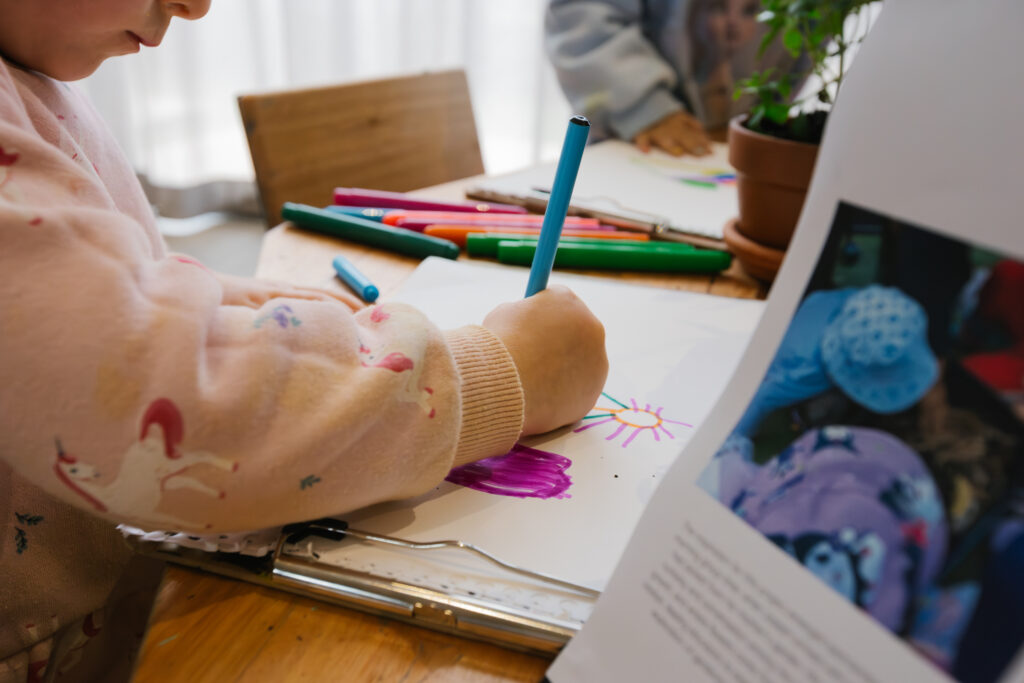
Early learning should be joyful and engaging, rather than full of unwanted pressure. Through play, stories, songs, and hands-on exploration, children are invited to discover letters and numbers, explore how things work, ask questions, and solve problems in meaningful ways. These experiences support the development of both academic foundations and essential social and emotional skills.
How a school readiness program supports children for Prep
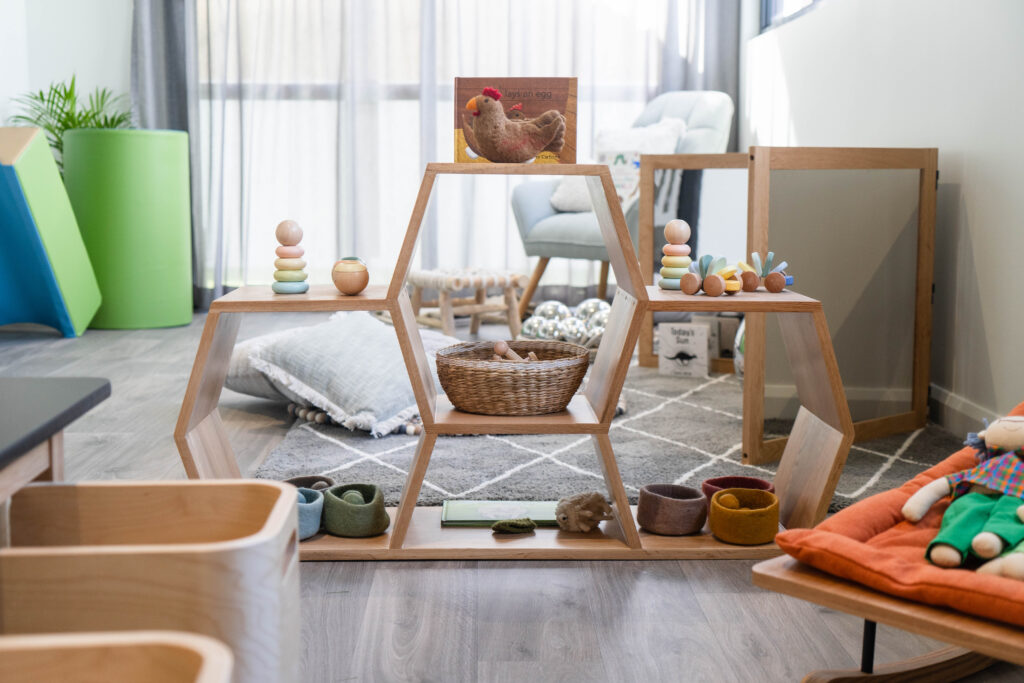
Enrolling your child in a school readiness program near you allows them to build confidence and early learning skills in a safe, supported environment. Our Free Kindy program is designed to help children develop the foundational skills they need to support a smooth transition to school. Here’s what you can expect.
Structured routines
Structured programs, such as group time, mealtimes, and smooth transitions between activities, help children develop an understanding of routine and what to expect next, much like in Prep. This familiarity can nurture confidence, independence, and the ability to listen, participate, and move through the day with ease.
Play-based learning experiences
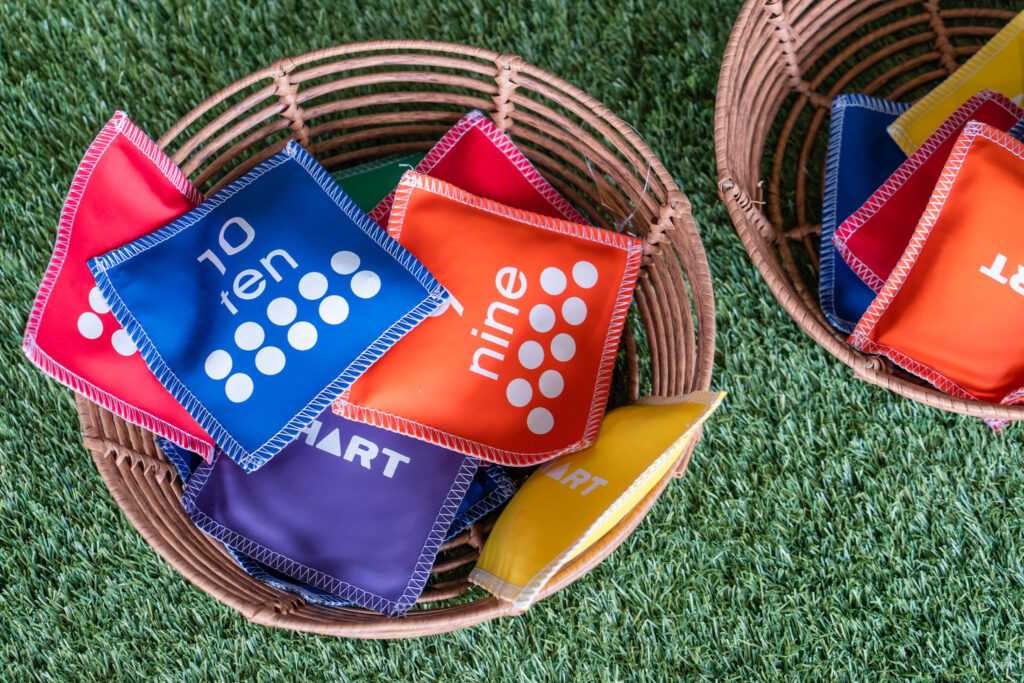
Play is central to effective learning. Counting games, creative projects, hands-on exploration, stories, songs, and the creative arts spark curiosity and engage children in learning without them even realising it. Children are naturally curious, so by inviting children to explore their surroundings, you can nurture a love of learning they can take into their formal schooling.
Building confidence & independence
School readiness environments, such as Kindy, focus on building children’s confidence and independence. Through everyday moments, like making choices, solving problems, and practising self-help skills, educators help children develop a sense of capability and pride as they prepare for the increased responsibilities of Prep.
Supporting social & emotional development
Prep is a significant adjustment for every child. A school readiness focus supports them in building the confidence to separate from family, connect with trusted adults, form friendships, and navigate these new experiences with increasing independence.
How families can support school readiness at home
Families can also the transition to school at home, making the most of small, everyday moments, such as:
- Reading together each day,
- Encouraging children to carry their bag or pack their belongings,
- Practising simple morning routines,
- Making time for play with other children, and
- Talking about school in a calm, positive way.
Learn more about your local school readiness program
There’s so much that goes into preparing children for school. A quality Kindy program offers a safe, connected environment where children are supported to explore new skills, build confidence, and develop independence at their own pace. Educators work alongside children and families in this journey, guiding, observing, and responding as each child’s learning unfolds in meaningful ways.
Book a tour of your local KIDS ELC to see how we support children in their early learning journey.